
Journals
-
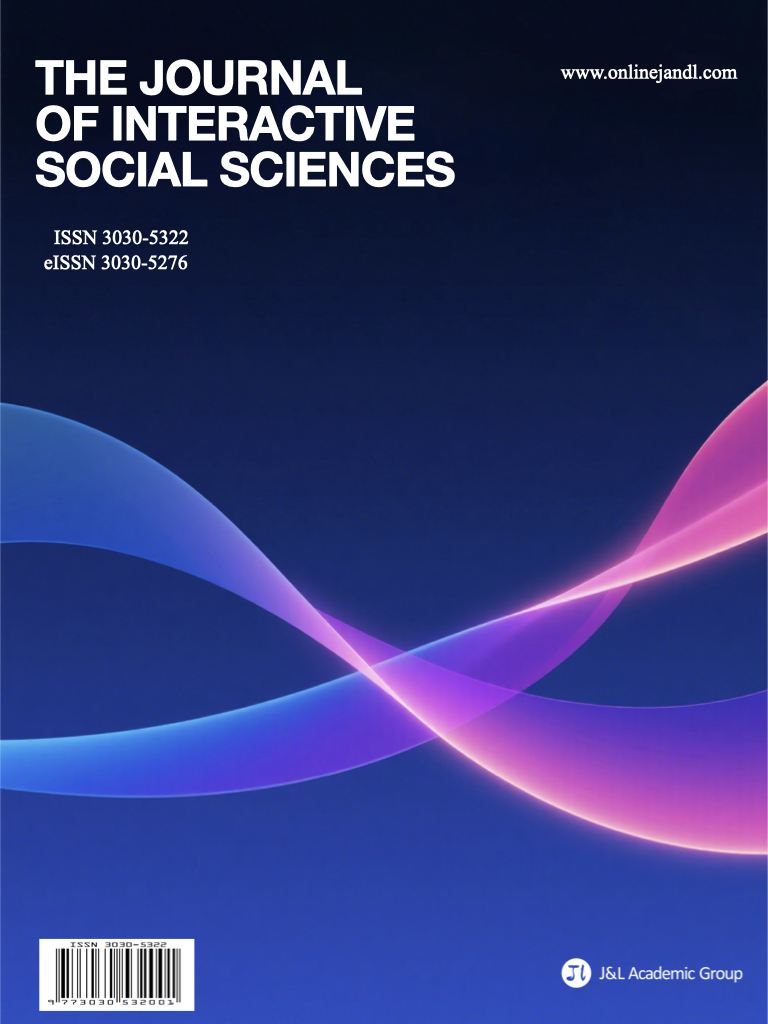
The Journal of Interactive Social Sciences
THE JOURNAL OF INTERACTIVE SOCIAL SCIENCES (TJISS) is published by J&L ACADEMIC GROUP PLT and provides a platform for academicians to share and update their knowledge and research results as well as information in the field of social sciences. The TJISS journal invites researchers, academicians, practitioners and students to submit original academic articles in English. The journal is published quarterly (March, June, September and December). The aim of the journal is to serve as a platform for the advancement of critical scholarship in the field of interactive social sciences. In terms of scope, although its empirical focus is on the field of interactive social sciences, the journal also publishes high-quality articles that adopt an interdisciplinary perspective. To achieve this broad aim and consistent with its scope, the journal employs double-blind peer review and publishes research articles, review articles, book reviews, and conference reports. English submission: 7,000-8,000 words for full text, 5,000 words for review articles, and 1,500 words for book reviews and conference reports. All research papers must include a literature review, theoretical framework, methods, findings, and discussion.
-

The Journal of Advanced Natural Sciences
The Journal of Advanced Natural Sciences is published by J&L ACADEMIC GROUP PLT and provides a professional academic exchange and achievement display platform for scholars, researchers, scientific research practitioners and postgraduates in the field of advanced natural sciences at home and abroad. It focuses on the frontier exploration and innovative development of advanced natural sciences, explores the theoretical innovation, research methods and practical applications of advanced natural sciences, and shares cutting-edge knowledge, research results and professional insights in this field. The Journal of Advanced Natural Sciences invites researchers, scholars, scientific researchers and postgraduates in relevant fields at home and abroad to submit original academic articles in English, so as to jointly promote the academic progress and high-quality development of the field of advanced natural sciences.
The journal is published biannually (March and September). The aim of the journal is to promote the in-depth academic research and practical innovation in the field of advanced natural sciences, build a communication bridge between academic research and practical application, promote the exploration and promotion of innovative theories, research technologies and application models in related fields, solve core problems such as the breakthrough of key technologies in advanced natural sciences, the integration of interdisciplinary research and the transformation of scientific research achievements, help the in-depth development of advanced natural sciences research, and provide academic support and practical reference for the sustainable development of the field of advanced natural sciences.
In terms of scope, although its empirical focus is on the field of advanced natural sciences, the journal mainly publishes empirical research, theoretical discussion, technological research and development and application research achievements in this field; at the same time, it welcomes high-quality articles adopting an interdisciplinary perspective, integrating research perspectives and methods from related disciplines such as physics, chemistry, biology, environmental science, materials science, geoscience and computational science, so as to enrich the research connotation of the field of advanced natural sciences, promote interdisciplinary integration and innovative development. It covers research contents such as advanced material science, molecular biology and genetic engineering, advanced environmental science and ecological protection, quantum physics and advanced energy materials, computational natural sciences, geoscientific exploration and advanced detection technology, and the application of advanced natural science technologies in industrial and social fields.
To achieve this broad aim and consistent with its scope, the journal employs a double-blind peer review system to strictly control the academic quality and scientificity of the published articles. The types of published articles include research articles, review articles, book reviews and case studies. The specific requirements are as follows: for English submissions, the word count of full research articles is 7,000-8,000 words, review articles is 5,000 words, and book reviews and case studies is 1,500 words. All research papers must include a literature review, theoretical framework, research methods, key findings, and in-depth discussion to ensure the completeness, scientificity and innovation of the research, in line with academic norms.
-

The Journal of Arts and Cultural Management
THE JOURNAL OF ARTS AND CULTURAL MANAGEMENT (TJACM) is published by J&L ACADEMIC GROUP PLT and provides a platform for academicians, researchers, and practitioners to share and update their knowledge, research results, and professional insights in the fields of arts management and cultural management. TJACM journal invites researchers, academicians, cultural practitioners, and postgraduate students to submit original academic articles in English.
The journal is published biannually (March and September). The aim of the journal is to serve as a platform for the advancement of critical scholarship in the field of arts and cultural management, promoting the exchange of ideas and the development of innovative theories and practical strategies in related areas.
In terms of scope, although its empirical focus is on the field of arts and cultural management, the journal also publishes high-quality articles that adopt an interdisciplinary perspective, integrating insights from fields such as sociology, economics, communication, aesthetics, and public administration to enrich the understanding of arts and cultural management practices.
To achieve this broad aim and consistent with its scope, the journal employs double-blind peer review and publishes research articles, review articles, book reviews, and case studies. English submission: 7,000-8,000 words for full research articles, 5,000 words for review articles, and 1,500 words for book reviews and case studies. All research papers must include a literature review, theoretical framework, research methods, key findings, and in-depth discussion.
-
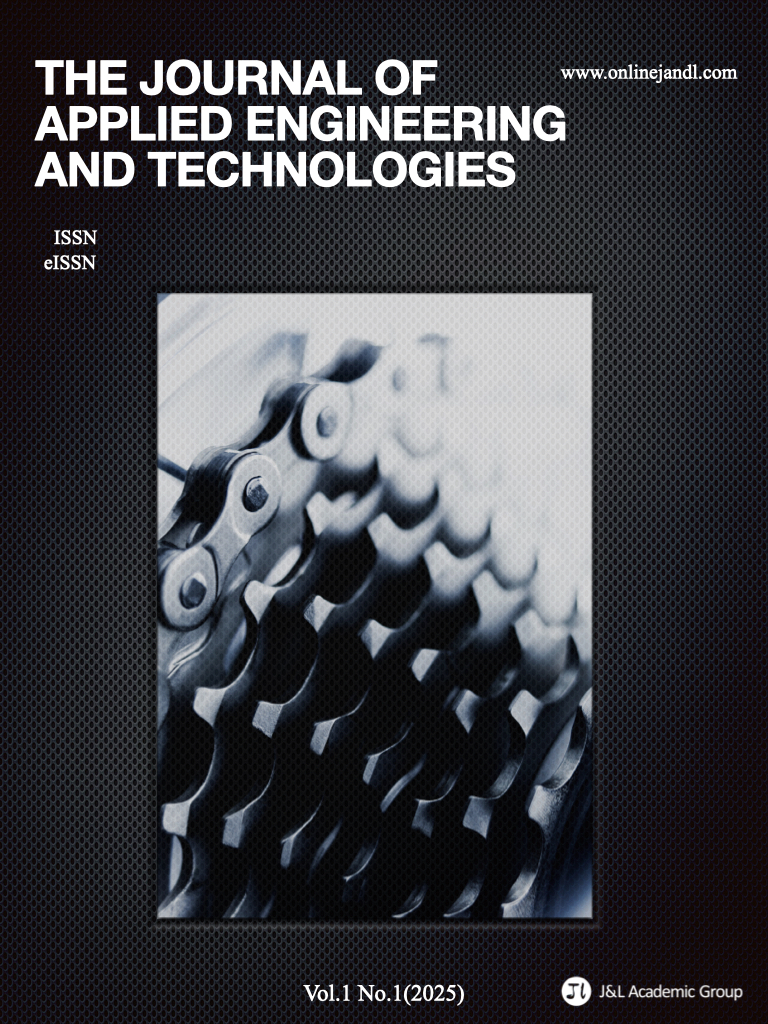
The Journal of Applied Engineering and Technologies
The Journal of Applied Engineering and Technologies (TJAET) is published by J&L ACADEMIC GROUP PLT and provides a platform for academicians, researchers, and industry practitioners to share and update their knowledge, research results, and professional insights in the fields of applied engineering and related technologies. TJAET invites researchers, academicians, engineering practitioners, and postgraduate students to submit original academic articles in English.
The journal is published biannually (March and September). The aim of the journal is to serve as a platform for the advancement of critical scholarship in the field of applied engineering and technologies, promoting the exchange of ideas and the development of innovative theories and practical applications in related areas.
In terms of scope, although its empirical focus is on the field of applied engineering and technologies, the journal also publishes high-quality articles that adopt an interdisciplinary perspective, integrating insights from fields such as materials science, computer science, electronics, mechanical engineering, and industrial management to enrich the understanding of applied engineering and technology practices.
To achieve this broad aim and consistent with its scope, the journal employs double-blind peer review and publishes research articles, review articles, book reviews, and case studies. English submission: 7,000-8,000 words for full research articles, 5,000 words for review articles, and 1,500 words for book reviews and case studies. All research papers must include a literature review, theoretical framework, research methods, key findings, and in-depth discussion.
-
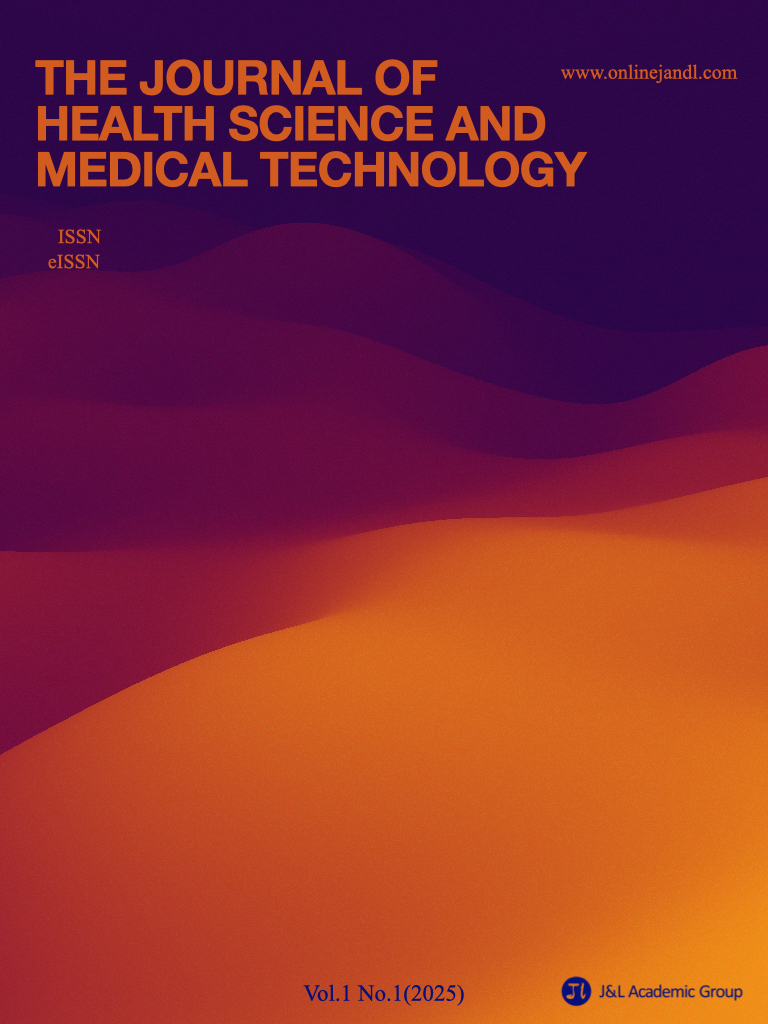
The Journal of Health Science and Medical Technology
The Journal of Health Science and Medical Technology (TJHSMT) is published by J&L ACADEMIC GROUP PLT and provides a platform for academicians, researchers, and healthcare practitioners to share and update their knowledge, research results, and professional insights in the fields of health science, clinical diagnostics, and medical technologies. TJHSMT invites researchers, medical professionals, biomedical engineers, and postgraduate students to submit original academic articles in English.
The journal is published annually (e.g., March). The aim of the journal is to serve as a platform for the advancement of critical scholarship in the field of health science and medical technology, promoting the exchange of ideas and the development of innovative theories, diagnostic methodologies, and practical applications in clinical and therapeutic settings.
In terms of scope, although its empirical focus is on the field of health science and medical technology, the journal also publishes high-quality articles that adopt an interdisciplinary perspective, integrating insights from fields such as biomedical engineering, biotechnology, bioinformatics, public health, and medical informatics to enrich the understanding of modern healthcare practices and technological integration.
-

自然与生命科学探索
《自然与生命科学探索》由嘉联学术集团(J&L ACADEMIC GROUP PLT)出版,为国内外自然科学与生命科学领域的学者、研究人员、科研从业者及研究生,搭建专业的学术交流与成果展示平台,聚焦自然科学与生命科学领域的前沿探索、理论创新、实验研究及应用实践,分享该领域的最新知识、研究成果与专业见解。《自然与生命科学探索》诚邀国内外相关领域的研究者、学者、科研工作者及研究生,提交中文原创学术论文,共同推动自然与生命科学领域的学术进步与科研成果转化。
本刊为半年刊,每年3月、9月出版发行。办刊宗旨在于助力自然与生命科学领域的学术研究深化与科研实践创新,搭建学术研究与实际应用之间的沟通桥梁,促进相关领域创新理论、研究方法与应用技术的探索与推广,助力破解自然与生命科学领域的核心研究难题,为该领域的可持续发展提供学术支撑与实践参考。
在研究范围上,本刊核心聚焦自然科学与生命科学的交叉融合领域,重点刊发该领域的实证研究、理论探讨、实验分析及应用研究类成果;同时,欢迎采用跨学科视角的高质量论文,融合生物学、生态学、环境科学、化学、物理学、分子生物学、生物工程等相关学科的研究视角与方法,丰富自然与生命科学领域的研究内涵,推动学科交叉融合与创新发展,涵盖生物多样性保护、生态环境治理、生命活动机制、自然现象探索、生物新技术研发等相关研究内容。
为实现上述办刊宗旨、契合研究范围,本刊采用双盲同行评审制度,严格把控刊发论文的学术质量与科学性。刊发论文类型包括研究论文、综述论文、书评及案例研究,具体要求如下:中文投稿中,完整研究论文字数控制在7000-8000字,综述论文字数控制在5000字,书评及案例研究字数控制在1500字。所有研究论文需包含文献综述、理论框架、研究方法、核心研究结果及深入讨论,确保研究的完整性、科学性与创新性,符合学术规范要求。
-

艺术与创意产业研究
《艺术与创意产业研究》由嘉联学术集团(J&L ACADEMIC GROUP PLT)出版,为学者、研究人员及从业者提供一个平台,用于分享和更新其在艺术管理与文化管理领域的知识、研究成果及专业见解。本刊诚邀研究人员、学者、文化从业者及研究生提交中文原创学术论文。
本刊为季刊,每年3月,6 月,9月和 12 月出版。本刊的目标是成为艺术与文化管理领域批判性学术研究发展的平台,促进相关领域的思想交流,推动创新理论与实践策略的发展。
在范围方面,尽管本刊的实证研究重点聚焦于艺术与文化管理领域,但也接收采用跨学科视角的高质量论文,整合社会学、经济学、传播学、美学及公共管理等领域的见解,以丰富对艺术与文化管理实践的理解。
为实现这一广泛目标并与本刊范围保持一致,本刊采用双盲同行评审制度,刊发研究论文、综述论文、书评及案例研究。中文投稿要求:完整研究论文7000-8000字,综述论文5000字,书评及案例研究1500字。所有研究论文均需包含文献综述、理论框架、研究方法、主要研究结果及深入讨论。
-

医学与健康科学前沿
《医学与健康科学前沿》由嘉联学术集团(J&L ACADEMIC GROUP PLT)出版,为国内外医学与健康科学领域的学者、研究人员、临床医务工作者及研究生,搭建专业的学术交流与成果展示平台,聚焦医学与健康科学领域的前沿进展、理论创新、临床实践及技术应用,分享该领域的最新知识、研究成果与专业见解。《医学与健康科学前沿》诚邀国内外相关领域的研究者、学者、临床医师及研究生,提交中文原创学术论文,共同推动医学与健康科学领域的学术进步与临床应用落地。
本刊为双季刊,每年3月、9月出版发行。办刊宗旨在于助力医学与健康科学领域的学术研究深化与临床实践革新,搭建学术研究与临床应用之间的沟通桥梁,促进相关领域创新理论、诊疗技术与健康管理策略的探索与推广,助力提升医疗健康服务水平,为人类健康事业发展提供学术支撑与实践参考。
在研究范围上,本刊核心聚焦医学与健康科学领域,重点刊发该领域的实证研究、理论探讨、临床研究及健康管理类成果;同时,欢迎采用跨学科视角的高质量论文,融合基础医学、临床医学、预防医学、公共卫生、康复医学、生物医学工程等相关学科的研究视角与方法,丰富医学与健康科学领域的研究内涵,推动学科交叉融合与创新发展,涵盖疾病发病机制、临床诊疗技术、健康干预策略、公共卫生管理、医学伦理等相关研究内容。
为实现上述办刊宗旨、契合研究范围,本刊采用双盲同行评审制度,严格把控刊发论文的学术质量与科学性。刊发论文类型包括研究论文、综述论文、书评及案例研究,具体要求如下:中文投稿中,完整研究论文字数控制在7000-8000字,综述论文字数控制在5000字,书评及案例研究字数控制在1500字。所有研究论文需包含文献综述、理论框架、研究方法、核心研究结果及深入讨论,确保研究的完整性、科学性与创新性,符合学术规范要求。
-

社会科学与人文学刊
《社会科学与人文学刊》由嘉联学术集团(J&L ACADEMIC GROUP PLT)出版,为学者、研究人员及从业者提供一个平台,用于分享和更新其在社会科学与人文领域的知识、研究成果及专业见解。本刊诚邀研究人员、学者、社会科学与人文领域从业者及研究生提交中文原创学术论文。
本刊为半年刊,每年3月、6 月、9月和 12 月出版。本刊的目标是成为社会科学与人文领域批判性学术研究发展的平台,促进相关领域的思想交流,推动创新理论与实践策略的发展。
在范围方面,尽管本刊的实证研究重点聚焦于社会科学与人文领域,但也接收采用跨学科视角的高质量论文,整合历史学、人类学、政治学、哲学及文化研究等领域的见解,以丰富对社会科学与人文实践的理解。
为实现这一广泛目标并与本刊范围保持一致,本刊采用双盲同行评审制度,刊发研究论文、综述论文、书评及案例研究。中文投稿要求:完整研究论文7000-8000字,综述论文5000字,书评及案例研究1500字。所有研究论文均需包含文献综述、理论框架、研究方法、主要研究结果及深入讨论。
-

工程与智能技术研究
《工程与智能技术研究》由嘉联学术集团(J&L ACADEMIC GROUP PLT)出版,为国内外工程与智能技术领域的学者、研究人员、工程技术从业者及研究生,搭建专业的学术交流与成果展示平台,聚焦工程技术与智能技术的深度融合、理论创新及实践应用,分享该领域的前沿知识、研究成果与专业见解。《工程与智能技术研究》诚邀国内外相关领域的研究者、学者、工程技术人员及研究生,提交中文原创学术论文,共同推动工程与智能技术领域的学术进步与产业落地。
本刊为半年刊,每年3月、6 月、9月和 12 月出版发行。办刊宗旨在于助力工程与智能技术领域的学术研究深化与产业转型升级,搭建学术研究与工程实践之间的沟通桥梁,促进相关领域创新理论、核心技术与实用策略的探索与推广,推动传统工程技术的智能化改造,助力智能技术在工程领域的规模化应用,为行业发展提供学术支撑与技术参考。
在研究范围上,本刊核心聚焦工程与智能技术的交叉融合领域,重点刊发该领域的实证研究、理论探讨、技术研发及工程应用类成果;同时,欢迎采用跨学科视角的高质量论文,融合计算机科学、自动化技术、材料科学、控制工程、人工智能等相关学科的研究视角与方法,丰富工程与智能技术领域的研究内涵,推动学科交叉融合与技术创新,涵盖智能装备研发、工程智能化改造、智能工程管理、工程大数据分析等相关研究内容。
为实现上述办刊宗旨、契合研究范围,本刊采用双盲同行评审制度,严格把控刊发论文的学术质量与科学性。刊发论文类型包括研究论文、综述论文、书评及案例研究,具体要求如下:中文投稿中,完整研究论文字数控制在7000-8000字,综述论文字数控制在5000字,书评及案例研究字数控制在1500字。所有研究论文需包含文献综述、理论框架、研究方法、核心研究结果及深入讨论,确保研究的完整性、科学性与创新性,符合学术规范要求。
-
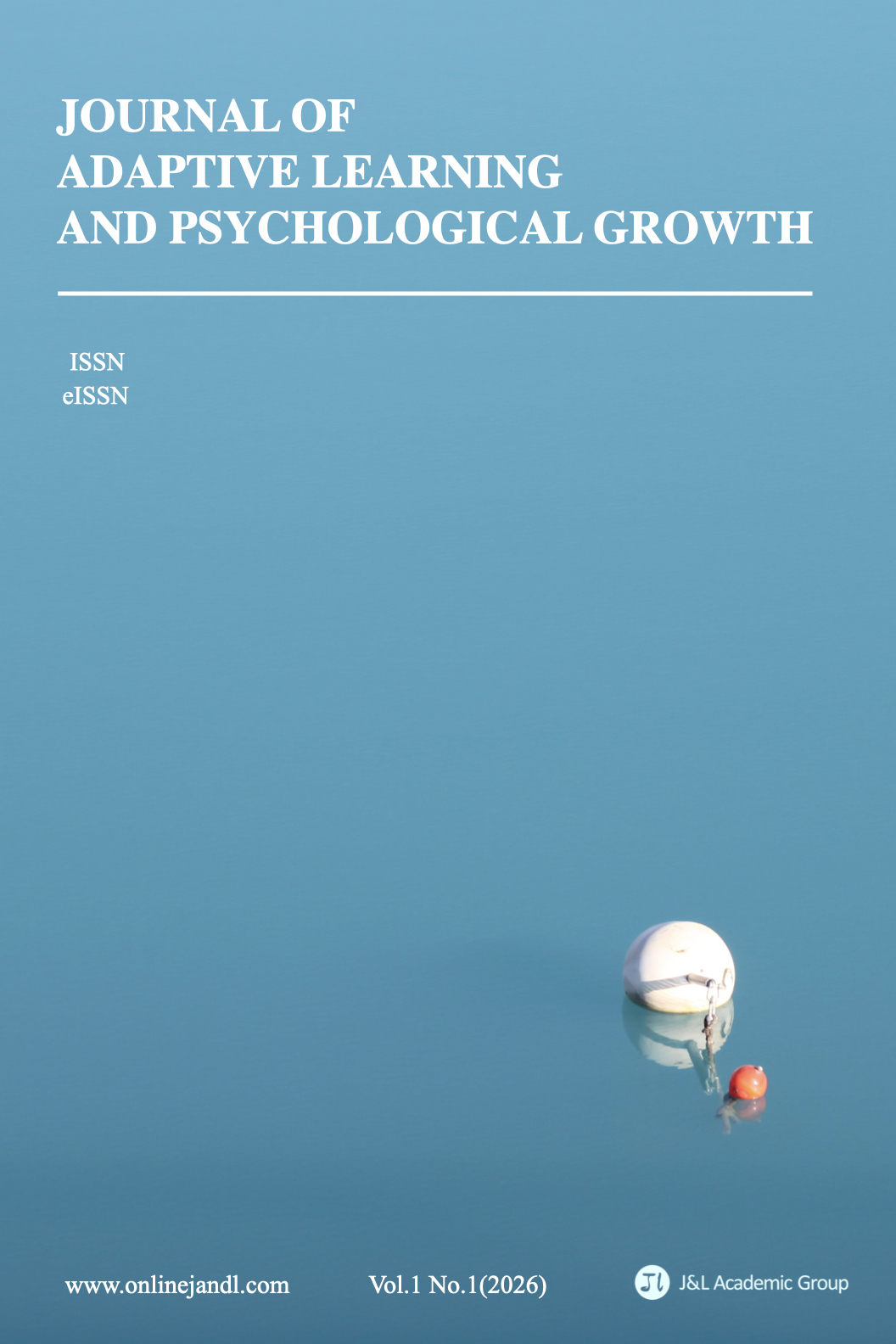
Journal of Adaptive Learning and Psychological Growth
JOURNAL OF ADAPTIVE LEARNING AND PSYCHOLOGICAL GROWTH is published by J&L ACADEMIC GROUP PLT and provides a professional academic exchange and achievement display platform for scholars, researchers, educators and postgraduates in the field of adaptive learning and psychological growth at home and abroad. It focuses on the integration and development of adaptive learning and psychological growth, explores the theoretical innovation, practical paths and development trends of adaptive learning and psychological growth, and shares cutting-edge knowledge, research results and professional insights in this field. JOURNAL OF ADAPTIVE LEARNING AND PSYCHOLOGICAL GROWTH invites researchers, scholars, educational workers and postgraduates in relevant fields at home and abroad to submit original academic articles in English, so as to jointly promote the academic progress and high-quality development of the field of adaptive learning and psychological growth.
The journal is published biannually (March and September). The aim of the journal is to promote the in-depth academic research and practical innovation in the field of adaptive learning and psychological growth, build a communication bridge between academic research and practical application, promote the exploration and promotion of innovative theories, intervention methods and application models in related fields, solve core problems such as the integration of adaptive learning and psychological growth, the optimization of intervention strategies and the standardization of practice in the context of modern education, help the in-depth development of adaptive learning and psychological growth research, and provide academic support and practical reference for the sustainable development of the field of adaptive learning and psychological growth.
In terms of scope, although its empirical focus is on the field of adaptive learning and psychological growth, the journal mainly publishes empirical research, theoretical discussion, intervention practice and industry analysis achievements in this field; at the same time, it welcomes high-quality articles adopting an interdisciplinary perspective, integrating research perspectives and methods from related disciplines such as educational psychology, cognitive science, developmental psychology, educational technology and social psychology, so as to enrich the research connotation of the field of adaptive learning and psychological growth, promote interdisciplinary integration and innovative development. It covers research contents such as adaptive learning theory and practice, psychological growth mechanism in learning scenarios, adaptive learning intervention strategies, individual differences in adaptive learning and psychological growth, digital technology empowerment for adaptive learning and psychological growth, and the integration of adaptive learning and mental health education.
To achieve this broad aim and consistent with its scope, the journal employs a double-blind peer review system to strictly control the academic quality and scientificity of the published articles. The types of published articles include research articles, review articles, book reviews and case studies. The specific requirements are as follows: for English submissions, the word count of full research articles is 7,000-8,000 words, review articles is 5,000 words, and book reviews and case studies is 1,500 words. All research papers must include a literature review, theoretical framework, research methods, key findings, and in-depth discussion to ensure the completeness, scientificity and innovation of the research, in line with academic norms.
-
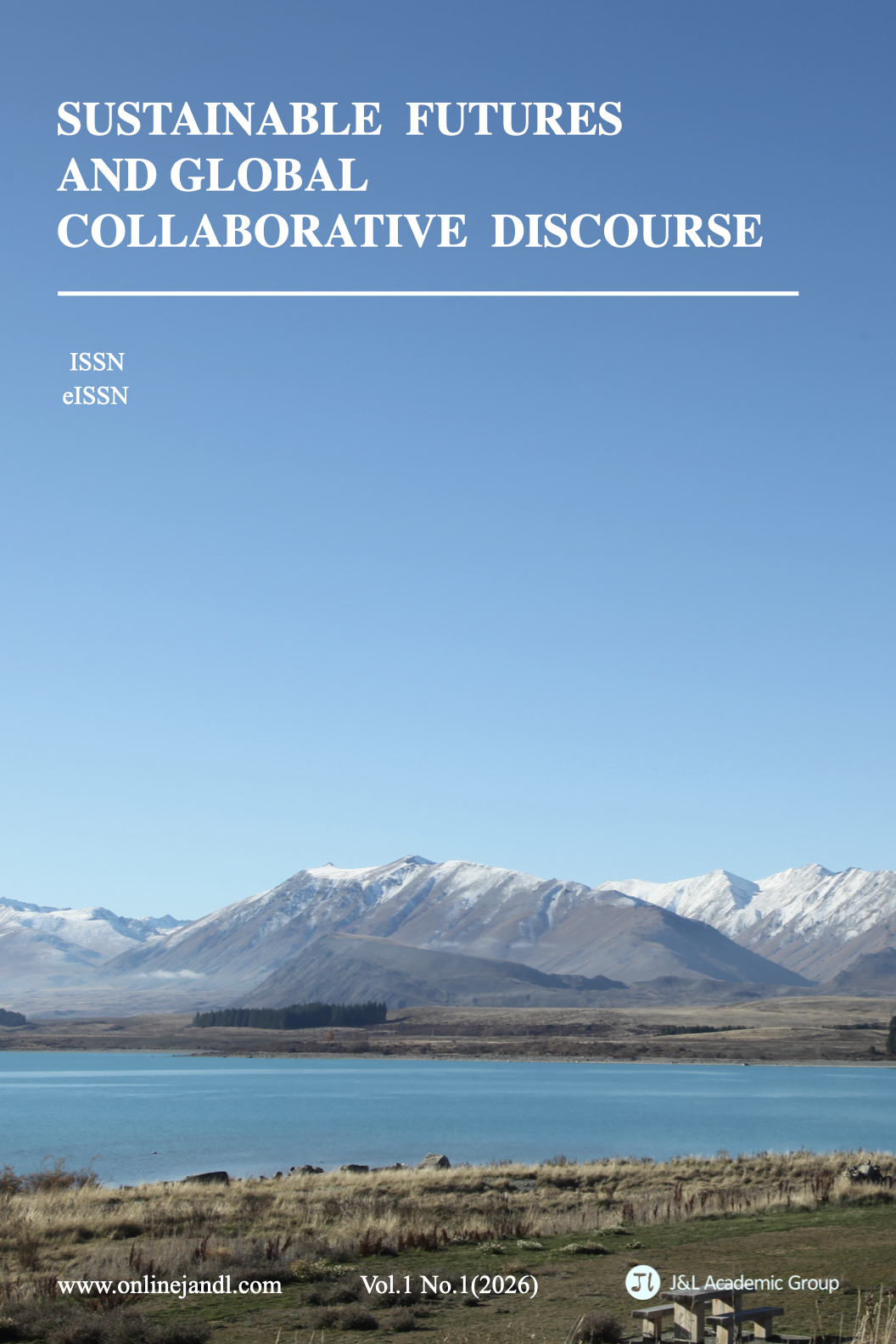
Sustainable Futures and Global Collaborative Discourse
SUSTAINABLE FUTURES AND GLOBAL COLLABORATIVE DISCOURSE is published by J&L ACADEMIC GROUP PLT and provides a professional academic exchange and achievement display platform for scholars, researchers, policymakers, international cooperation practitioners and postgraduates in the fields of sustainable development and global collaborative discourse at home and abroad. It focuses on the integration of sustainable future construction and global collaborative discourse, explores the theoretical innovation, practical paths and development trends in these interdisciplinary fields, and shares cutting-edge knowledge, research results and professional insights in this field. SUSTAINABLE FUTURES AND GLOBAL COLLABORATIVE DISCOURSE invites researchers, scholars, policy practitioners, international cooperation workers and postgraduates in relevant fields at home and abroad to submit original academic articles in English, so as to jointly promote the academic progress and high-quality development of the fields of sustainable futures and global collaborative discourse.
The journal is published biannually (March and September). The aim of the journal is to promote the in-depth academic research and practical innovation in the fields of sustainable futures and global collaborative discourse, build a communication bridge between academic research and international practice, promote the exploration and promotion of innovative theories, collaborative strategies and practice models in related fields, solve core problems such as the coordination of global sustainable development goals, the construction of global collaborative discourse systems, and the balance between regional development and global common interests, help the in-depth development of interdisciplinary research in sustainable futures and global collaborative discourse, and provide academic support and practical reference for the sustainable development of these fields.
In terms of scope, although its empirical focus is on the fields of sustainable futures and global collaborative discourse, the journal mainly publishes empirical research, theoretical discussion, policy analysis and case study achievements in these fields; at the same time, it welcomes high-quality articles adopting an interdisciplinary perspective, integrating research perspectives and methods from related disciplines such as environmental science, international relations, economics, sociology, public management and sustainable development studies, so as to enrich the research connotation of the fields of sustainable futures and global collaborative discourse, promote interdisciplinary integration and innovative development. It covers research contents such as global sustainable development goals (SDGs) practice, global collaborative governance mechanism construction, cross-border cooperation in sustainable development, sustainable future planning and strategy, global discourse construction for sustainable development, regional sustainable development practice and global coordination, and the impact of global changes on sustainable futures and collaborative discourse.
To achieve this broad aim and consistent with its scope, the journal employs a double-blind peer review system to strictly control the academic quality and scientificity of the published articles. The types of published articles include research articles, review articles, book reviews and case studies. The specific requirements are as follows: for English submissions, the word count of full research articles is 7,000-8,000 words, review articles is 5,000 words, and book reviews and case studies is 1,500 words. All research papers must include a literature review, theoretical framework, research methods, key findings, and in-depth discussion to ensure the completeness, scientificity and innovation of the research, in line with academic norms.
-
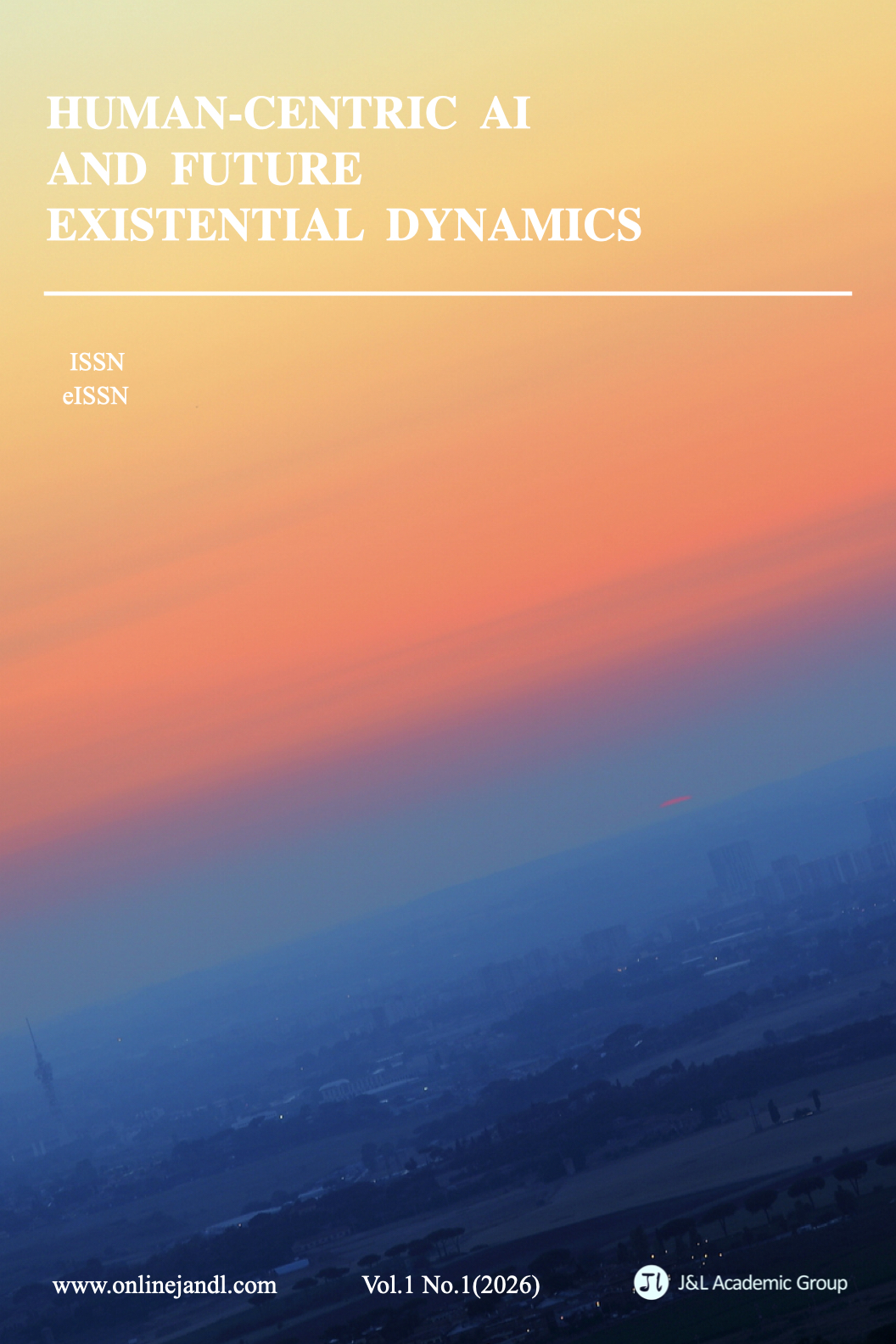
Human-Centric AI and Future Existential Dynamics
HUMAN-CENTRIC AI AND FUTURE EXISTENTIAL DYNAMICS is published by J&L ACADEMIC GROUP PLT and provides a professional academic exchange and achievement display platform for scholars, researchers, AI practitioners, policymakers and postgraduates in the fields of human-centric AI and future existential dynamics at home and abroad. It focuses on the integration of human-centric AI development and the evolution of future existential dynamics, explores the theoretical innovation, practical paths and development trends in these interdisciplinary fields, and shares cutting-edge knowledge, research results and professional insights in this emerging field. HUMAN-CENTRIC AI AND FUTURE EXISTENTIAL DYNAMICS invites researchers, scholars, AI technicians, policy practitioners and postgraduates in relevant fields at home and abroad to submit original academic articles in English, so as to jointly promote the academic progress and high-quality development of the fields of human-centric AI and future existential dynamics.
The journal is published biannually (March and September). The aim of the journal is to promote the in-depth academic research and practical innovation in the fields of human-centric AI and future existential dynamics, build a communication bridge between academic research and practical application, promote the exploration and promotion of innovative theories, development strategies and application models in related fields, solve core problems such as the balance between human needs and AI technology development, the impact of AI on future human existential patterns, and the ethical and moral norms in human-centric AI development, help the in-depth development of interdisciplinary research in human-centric AI and future existential dynamics, and provide academic support and practical reference for the sustainable development of these fields.
In terms of scope, although its empirical focus is on the fields of human-centric AI and future existential dynamics, the journal mainly publishes empirical research, theoretical discussion, policy analysis and case study achievements in these fields; at the same time, it welcomes high-quality articles adopting an interdisciplinary perspective, integrating research perspectives and methods from related disciplines such as artificial intelligence, philosophy, sociology, ethics, computer science, psychology and future studies, so as to enrich the research connotation of the fields of human-centric AI and future existential dynamics, promote interdisciplinary integration and innovative development. It covers research contents such as human-centric AI design and practice, ethical and moral norms of AI, the impact of AI on human existential value and social relations, future existential patterns under AI empowerment, human-AI symbiotic development, and the governance of future existential risks brought by AI.
To achieve this broad aim and consistent with its scope, the journal employs a double-blind peer review system to strictly control the academic quality and scientificity of the published articles. The types of published articles include research articles, review articles, book reviews and case studies. The specific requirements are as follows: for English submissions, the word count of full research articles is 7,000-8,000 words, review articles is 5,000 words, and book reviews and case studies is 1,500 words. All research papers must include a literature review, theoretical framework, research methods, key findings, and in-depth discussion to ensure the completeness, scientificity and innovation of the research, in line with academic norms.
-
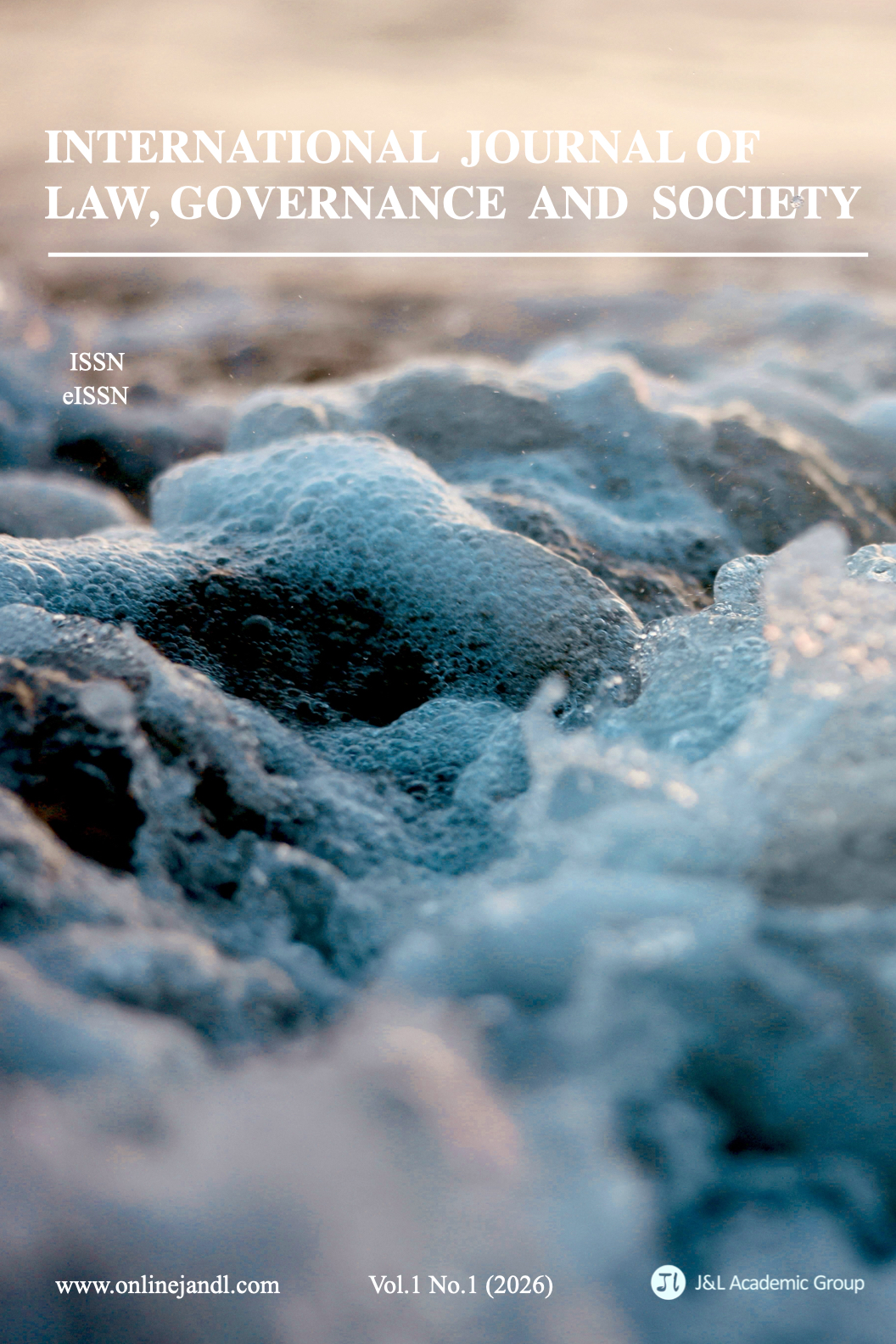
International Journal of Law, Governance and Society
INTERNATIONAL JOURNAL OF LAW, GOVERNANCE AND SOCIETY is published by J&L ACADEMIC GROUP PLT and provides a professional academic exchange and achievement display platform for scholars, researchers, legal practitioners, policymakers and postgraduates in the fields of international law, global governance and social development at home and abroad. It focuses on the interaction and integrated development of international law, governance and society, explores the theoretical innovation, practical paths and development trends in these fields, and shares cutting-edge knowledge, research results and professional insights in this interdisciplinary field. INTERNATIONAL JOURNAL OF LAW, GOVERNANCE AND SOCIETY invites researchers, scholars, legal workers, policy practitioners and postgraduates in relevant fields at home and abroad to submit original academic articles in English, so as to jointly promote the academic progress and high-quality development of the fields of international law, governance and society.
The journal is published biannually (March and September). The aim of the journal is to promote the in-depth academic research and practical innovation in the fields of international law, governance and society, build a communication bridge between academic research and international practice, promote the exploration and promotion of innovative theories, governance strategies and legal application models in related fields, solve core problems such as the coordination of international law and global governance, the improvement of social governance systems, and the balance between legal norms and social development, help the in-depth development of interdisciplinary research in international law, governance and society, and provide academic support and practical reference for the sustainable development of these fields.
In terms of scope, although its empirical focus is on the fields of international law, governance and society, the journal mainly publishes empirical research, theoretical discussion, policy analysis and case study achievements in these fields; at the same time, it welcomes high-quality articles adopting an interdisciplinary perspective, integrating research perspectives and methods from related disciplines such as international law, political science, sociology, public management, ethics and economics, so as to enrich the research connotation of the fields of international law, governance and society, promote interdisciplinary integration and innovative development. It covers research contents such as international law theory and practice, global governance mechanism construction, international cooperation and rule of law, social governance modernization, public policy formulation and implementation, social justice and legal protection, cross-border dispute resolution, and the impact of global changes on law, governance and society.
To achieve this broad aim and consistent with its scope, the journal employs a double-blind peer review system to strictly control the academic quality and scientificity of the published articles. The types of published articles include research articles, review articles, book reviews and case studies. The specific requirements are as follows: for English submissions, the word count of full research articles is 7,000-8,000 words, review articles is 5,000 words, and book reviews and case studies is 1,500 words. All research papers must include a literature review, theoretical framework, research methods, key findings, and in-depth discussion to ensure the completeness, scientificity and innovation of the research, in line with academic norms.
-
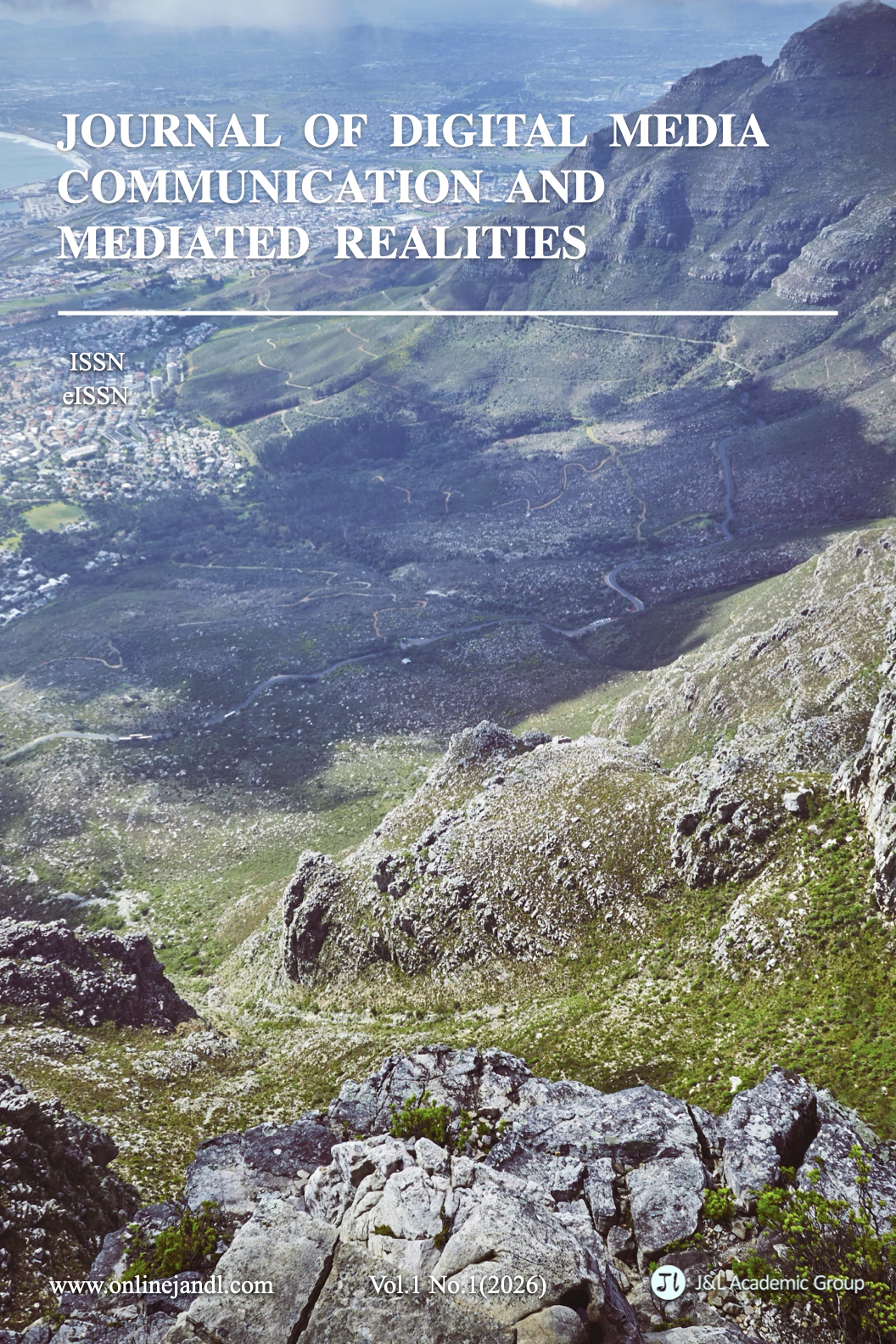
Journal of Digital Media, Communication and Mediated Realities
JOURNAL OF DIGITAL MEDIA, COMMUNICATION AND MEDIATED REALITIES is published by J&L ACADEMIC GROUP PLT and provides a professional academic exchange and achievement display platform for scholars, researchers, media practitioners, digital technology experts and postgraduates in the fields of digital media, communication and mediated realities at home and abroad. It focuses on the integration and innovative development of digital media, communication practice and mediated realities, explores the theoretical innovation, practical paths and development trends of these interdisciplinary fields, and shares cutting-edge knowledge, research results and professional insights in this dynamic and evolving field. JOURNAL OF DIGITAL MEDIA, COMMUNICATION AND MEDIATED REALITIES invites researchers, scholars, media workers, digital technology practitioners and postgraduates in relevant fields at home and abroad to submit original academic articles in English, so as to jointly promote the academic progress and high-quality development of the fields of digital media, communication and mediated realities.
The journal is published biannually (March and September). The aim of the journal is to promote the in-depth academic research and practical innovation in the fields of digital media, communication and mediated realities, build a communication bridge between academic research and industry practice, promote the exploration and promotion of innovative theories, communication technologies and application models in related fields, solve core problems such as the integration of digital media and mediated realities, the innovation of communication modes in digital scenarios, and the ethical and normative challenges brought by mediated reality technologies, help the in-depth development of interdisciplinary research in digital media, communication and mediated realities, and provide academic support and practical reference for the sustainable development of these fields.
In terms of scope, although its empirical focus is on the fields of digital media, communication and mediated realities, the journal mainly publishes empirical research, theoretical discussion, technology application and case study achievements in these fields; at the same time, it welcomes high-quality articles adopting an interdisciplinary perspective, integrating research perspectives and methods from related disciplines such as communication studies, media studies, computer science, sociology, psychology, digital technology and interactive media, so as to enrich the research connotation of the fields of digital media, communication and mediated realities, promote interdisciplinary integration and innovative development. It covers research contents such as digital media theory and practice, digital communication patterns and effects, mediated reality (including virtual, augmented and mixed reality) and communication integration, immersive communication and narrative innovation, digital content production and dissemination in mediated scenarios, algorithmic communication and media governance, ethical and legal norms of mediated realities, and the impact of digital media and mediated realities on society, culture and individual behavior.
To achieve this broad aim and consistent with its scope, the journal employs a double-blind peer review system to strictly control the academic quality and scientificity of the published articles. The types of published articles include research articles, review articles, book reviews and case studies. The specific requirements are as follows: for English submissions, the word count of full research articles is 7,000-8,000 words, review articles is 5,000 words, and book reviews and case studies is 1,500 words. All research papers must include a literature review, theoretical framework, research methods, key findings, and in-depth discussion to ensure the completeness, scientificity and innovation of the research, in line with academic norms.
-

智能学习与心理学刊
《智能学习与心理学刊》由嘉联学术集团(J&L ACADEMIC GROUP PLT)出版,致力于搭建智能学习与心理学交叉领域的学术交流平台,为国内外相关领域的学者、研究人员、教育实践者及研究生,提供分享知识、展示研究成果、交流专业见解的核心阵地,聚焦智能技术与心理学理论在学习场景中的深度融合与创新应用。《智能学习与心理学刊》诚邀国内外相关领域的研究者、学者、教育工作者及研究生,提交中文原创学术论文,共同推动该交叉领域的学术发展与实践落地。
本刊为半年刊,每年3月、6 月、9月和 12 月出版发行。办刊宗旨在于推动智能学习与心理学交叉领域的学术研究深化,搭建跨学科交流桥梁,促进相关领域创新理论的构建、实践策略的探索,助力智能教育与心理科学的协同发展,破解当前智能学习实践中“重技术、轻认知”的困境,实现技术赋能与心理规律的有机结合。
在研究范围上,本刊核心聚焦智能学习与心理学的交叉领域,重点刊发该领域的实证研究、理论探讨及实践应用类成果;同时,欢迎采用跨学科视角的高质量论文,融合计算机科学、认知科学、教育技术学、社会学等相关学科的研究视角与方法,丰富智能学习与心理学交叉领域的研究内涵,推动学科交叉融合与创新发展,涵盖AI赋能心理学、心理学赋能AI及两者双向互构等研究范式相关内容。
为实现上述办刊宗旨、契合研究范围,本刊采用双盲同行评审制度,确保刊发论文的学术质量与科学性。刊发论文类型包括研究论文、综述论文、书评及案例研究,具体要求如下:中文投稿中,完整研究论文字数控制在7000-8000字,综述论文字数控制在5000字,书评及案例研究字数控制在1500字。所有研究论文需包含文献综述、理论框架、研究方法、核心研究结果及深入讨论,确保研究的完整性、科学性与创新性,符合学术规范要求。
-
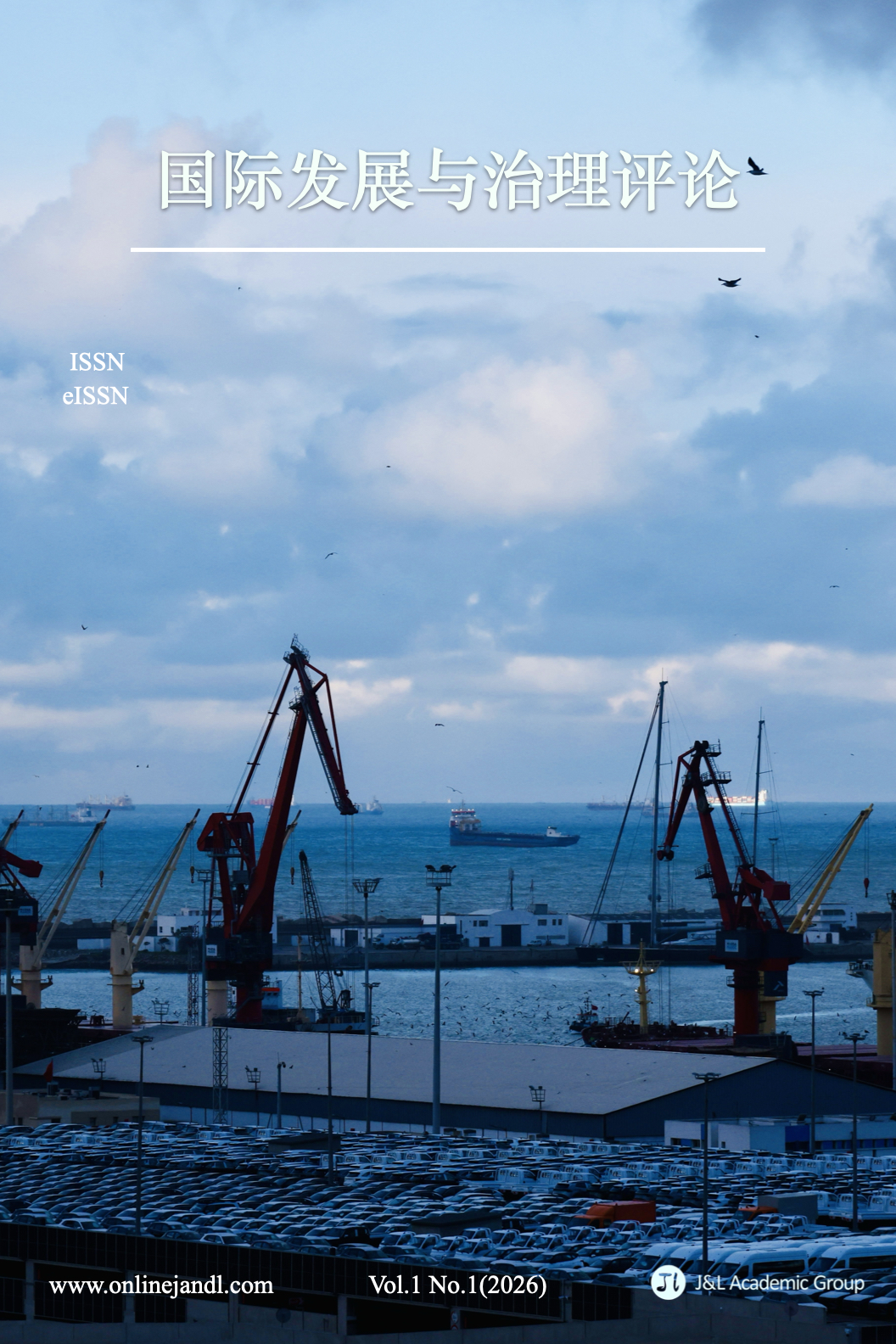
国际发展与治理评论
《国际发展与治理评论》由嘉联学术集团(J&L ACADEMIC GROUP PLT)出版,为国内外国际发展与全球治理领域的学者、研究人员、政策制定者、国际事务从业者及研究生,搭建专业的学术交流与成果展示平台,聚焦全球发展格局演变与治理体系变革,探讨国际发展中的核心议题与全球治理的创新路径,分享该领域的前沿知识、研究成果与专业见解。《国际发展与治理评论》诚邀国内外相关领域的研究者、学者、政策从业者及研究生,提交中文原创学术论文,共同推动国际发展与全球治理领域的学术进步与实践落地,助力构建更加公正合理、普惠包容的全球治理体系。
本刊为半年刊,每年3月、6 月、9月和 12 月出版发行。办刊宗旨在于助力国际发展与全球治理领域的学术研究深化与实践创新,搭建学术研究与国际事务实践之间的沟通桥梁,促进相关领域创新理论、治理策略与实践路径的探索与推广,破解全球发展不平衡、治理体系不完善等核心难题,推动国际社会凝聚发展共识、深化治理合作,为全球发展与治理事业的可持续发展提供学术支撑与实践参考。
在研究范围上,本刊核心聚焦国际发展与全球治理领域,重点刊发该领域的实证研究、理论探讨、政策分析及案例研究类成果;同时,欢迎采用跨学科视角的高质量论文,融合国际关系、政治学、经济学、社会学、法学、环境科学等相关学科的研究视角与方法,丰富国际发展与全球治理领域的研究内涵,推动学科交叉融合与创新发展,涵盖全球发展倡议落地、国际合作机制构建、区域治理实践、全球公共产品供给、跨国问题治理(气候变化、公共卫生、粮食安全等)、发展中国家发展路径、全球治理体系改革等相关研究内容。
为实现上述办刊宗旨、契合研究范围,本刊采用双盲同行评审制度,严格把控刊发论文的学术质量与科学性。刊发论文类型包括研究论文、综述论文、书评及案例研究,具体要求如下:中文投稿中,完整研究论文字数控制在7000-8000字,综述论文字数控制在5000字,书评及案例研究字数控制在1500字。所有研究论文需包含文献综述、理论框架、研究方法、核心研究结果及深入讨论,确保研究的完整性、科学性与创新性,符合学术规范要求。
-
人工智能与社会影响学刊
《人工智能与社会影响学刊》由嘉联学术集团(J&L ACADEMIC GROUP PLT)出版,为国内外人工智能与社会科学交叉领域的学者、研究人员、政策制定者及研究生,搭建专业的学术交流与成果展示平台,聚焦人工智能技术发展与社会发展的深度互动,探讨人工智能对社会结构、治理模式、伦理规范、生产生活方式的多维影响,分享该领域的前沿知识、研究成果与专业见解。《人工智能与社会影响学刊》诚邀国内外相关领域的研究者、学者、政策从业者及研究生,提交中文原创学术论文,共同推动人工智能与社会影响交叉领域的学术进步与实践落地,助力构建以人为本、负责任的人工智能发展体系。
本刊为半年刊,每年3月、6 月、9月和 12 月出版发行。办刊宗旨在于助力人工智能与社会影响交叉领域的学术研究深化与实践创新,搭建技术研究与社会治理之间的沟通桥梁,促进相关领域创新理论、治理策略与实践路径的探索与推广,破解人工智能发展带来的社会伦理、公平正义、数据安全等核心难题,平衡人工智能技术创新与社会可持续发展,为人工智能全球治理与社会适配提供学术支撑与实践参考,推动实现技术发展与社会福祉的协同共进。
在研究范围上,本刊核心聚焦人工智能与社会影响的交叉融合领域,重点刊发该领域的实证研究、理论探讨、政策分析及实践应用类成果;同时,欢迎采用跨学科视角的高质量论文,融合计算机科学、社会学、伦理学、法学、公共管理、经济学等相关学科的研究视角与方法,丰富人工智能与社会影响领域的研究内涵,推动学科交叉融合与创新发展,涵盖人工智能伦理治理、算法公平与偏见、人工智能对就业与收入的影响、智能治理与社会秩序构建、数据安全与个人隐私保护、人工智能全球治理合作、AI技术的社会适配与风险防控等相关研究内容,兼顾技术发展的积极价值与潜在风险的理性审视。
为实现上述办刊宗旨、契合研究范围,本刊采用双盲同行评审制度,严格把控刊发论文的学术质量与科学性。刊发论文类型包括研究论文、综述论文、书评及案例研究,具体要求如下:中文投稿中,完整研究论文字数控制在7000-8000字,综述论文字数控制在5000字,书评及案例研究字数控制在1500字。所有研究论文需包含文献综述、理论框架、研究方法、核心研究结果及深入讨论,确保研究的完整性、科学性与创新性,符合学术规范要求,助力推动人工智能技术向有利于社会进步、人类福祉提升的方向发展。
-

法学与社会治理学刊
《法学与社会治理学刊》由嘉联学术集团(J&L ACADEMIC GROUP PLT)出版,为国内外法学与社会治理领域的学者、研究人员、法律从业者、政策制定者及研究生,搭建专业的学术交流与成果展示平台,聚焦法学理论创新与社会治理实践融合,探讨法治建设与社会治理现代化的核心议题、实践路径与发展趋势,分享该领域的前沿知识、研究成果与专业见解。《法学与社会治理学刊》诚邀国内外相关领域的研究者、学者、法律工作者及研究生,提交中文原创学术论文,共同推动法学与社会治理领域的学术进步与实践落地,助力构建中国特色社会主义法治体系与共建共治共享的社会治理格局。
本刊为半年刊,每年3月、6 月、9月和 12 月出版发行。办刊宗旨在于助力法学与社会治理领域的学术研究深化与实践创新,搭建学术研究与法治实践、社会治理之间的沟通桥梁,促进相关领域创新理论、法治策略与治理路径的探索与推广,破解法治建设与社会治理中的重点、难点问题,推动法治与社会治理深度融合,为法学研究发展与社会治理现代化提供学术支撑与实践参考。
在研究范围上,本刊核心聚焦法学与社会治理的交叉融合领域,重点刊发该领域的实证研究、理论探讨、政策分析及案例研究类成果;同时,欢迎采用跨学科视角的高质量论文,融合法学、政治学、社会学、公共管理、伦理学、经济学等相关学科的研究视角与方法,丰富法学与社会治理领域的研究内涵,推动学科交叉融合与创新发展,涵盖法治理论研究、部门法实践、社会治理法治化、基层治理创新、公共法律服务、纠纷解决机制、法治社会建设、社会治理中的法律保障等相关研究内容。
为实现上述办刊宗旨、契合研究范围,本刊采用双盲同行评审制度,严格把控刊发论文的学术质量与科学性。刊发论文类型包括研究论文、综述论文、书评及案例研究,具体要求如下:中文投稿中,完整研究论文字数控制在7000-8000字,综述论文字数控制在5000字,书评及案例研究字数控制在1500字。所有研究论文需包含文献综述、理论框架、研究方法、核心研究结果及深入讨论,确保研究的完整性、科学性与创新性,符合学术规范要求。
-
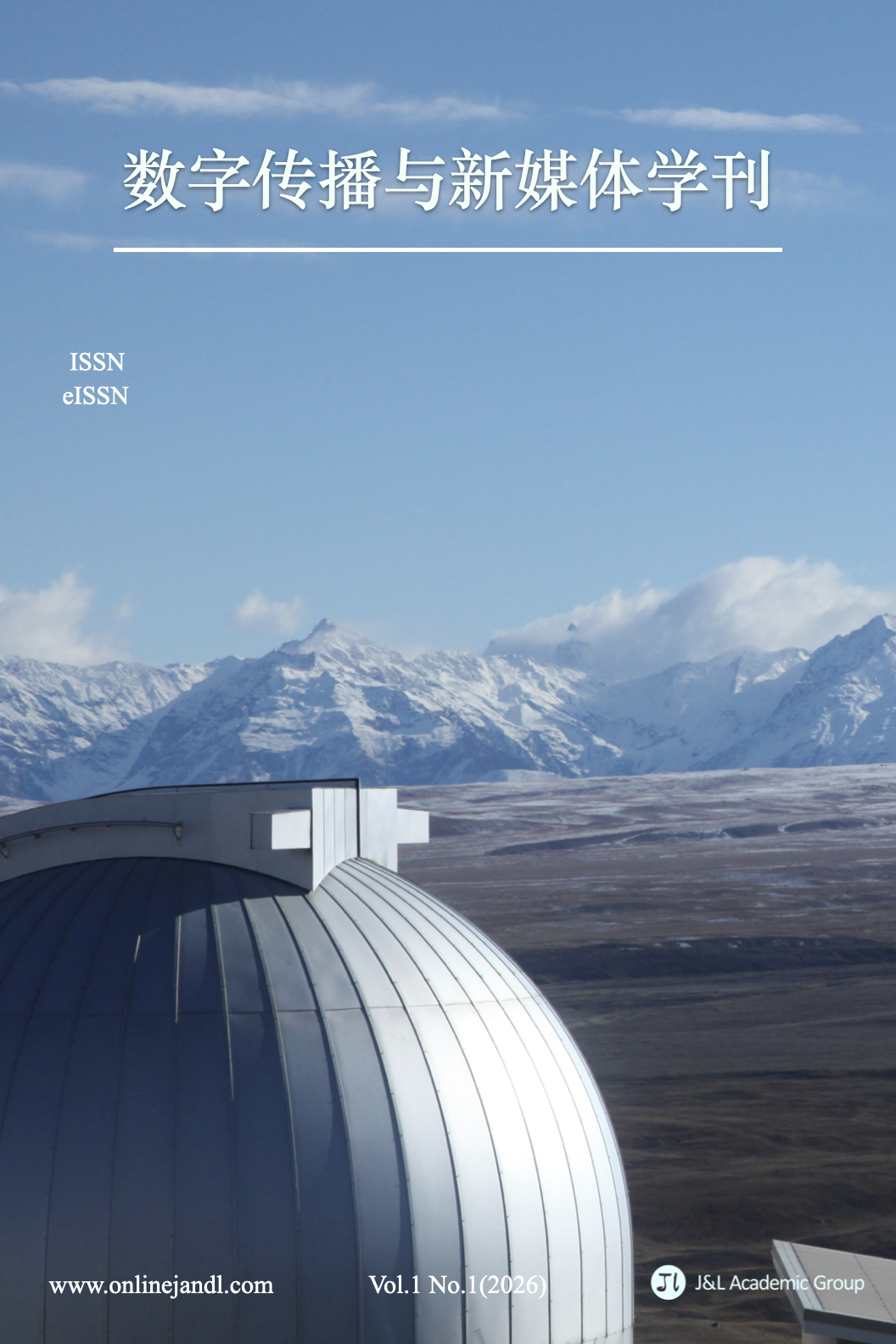
数字传播与新媒体学刊
《数字传播与新媒体学刊》由嘉联学术集团(J&L ACADEMIC GROUP PLT)出版,为国内外数字传播与新媒体领域的学者、研究人员、媒体从业者及研究生,搭建专业的学术交流与成果展示平台,聚焦数字技术驱动下的传播变革与新媒体发展,探讨数字传播的理论创新、实践路径与行业趋势,分享该领域的前沿知识、研究成果与专业见解。《数字传播与新媒体学刊》诚邀国内外相关领域的研究者、学者、媒体工作者及研究生,提交中文原创学术论文,共同推动数字传播与新媒体领域的学术进步与行业高质量发展。
本刊为半年刊,每年3月、6 月、9月和 12 月出版发行。办刊宗旨在于助力数字传播与新媒体领域的学术研究深化与实践创新,搭建学术研究与行业实践之间的沟通桥梁,促进相关领域创新理论、传播技术与应用模式的探索与推广,破解数字传播时代的媒介融合、内容创新、伦理规范等核心难题,助力媒体融合向纵深发展,为数字传播与新媒体行业的可持续发展提供学术支撑与实践参考。
在研究范围上,本刊核心聚焦数字传播与新媒体领域,重点刊发该领域的实证研究、理论探讨、技术应用及行业分析类成果;同时,欢迎采用跨学科视角的高质量论文,融合传播学、新闻学、计算机科学、社会学、心理学、管理学等相关学科的研究视角与方法,丰富数字传播与新媒体领域的研究内涵,推动学科交叉融合与创新发展,涵盖数字传播理论、新媒体技术应用、媒介融合实践、网络内容生产与传播、数字舆情治理、新媒体伦理与规范、短视频与直播传播、算法传播与智能媒体等相关研究内容。
为实现上述办刊宗旨、契合研究范围,本刊采用双盲同行评审制度,严格把控刊发论文的学术质量与科学性。刊发论文类型包括研究论文、综述论文、书评及案例研究,具体要求如下:中文投稿中,完整研究论文字数控制在7000-8000字,综述论文字数控制在5000字,书评及案例研究字数控制在1500字。所有研究论文需包含文献综述、理论框架、研究方法、核心研究结果及深入讨论,确保研究的完整性、科学性与创新性,符合学术规范要求。
